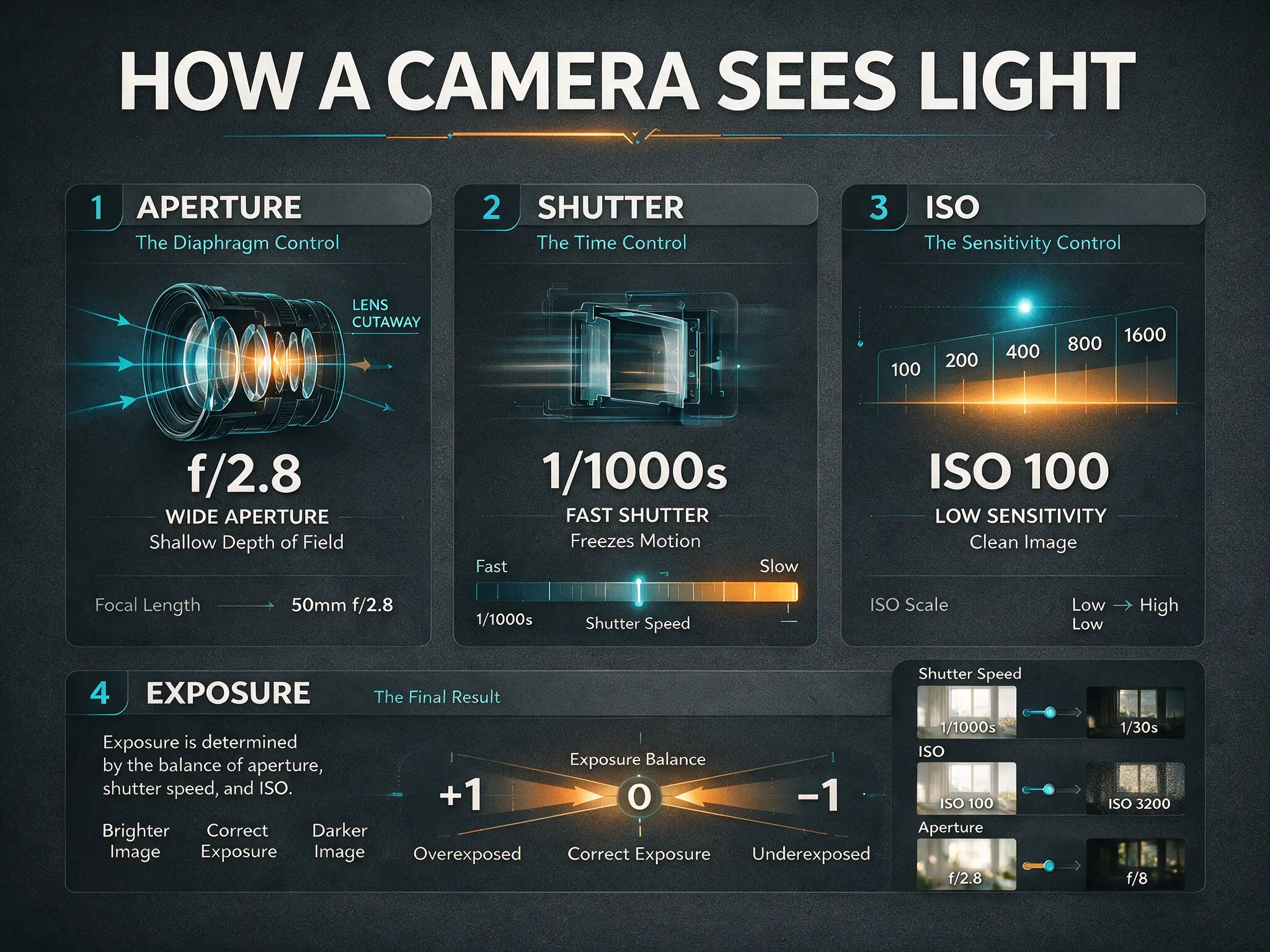
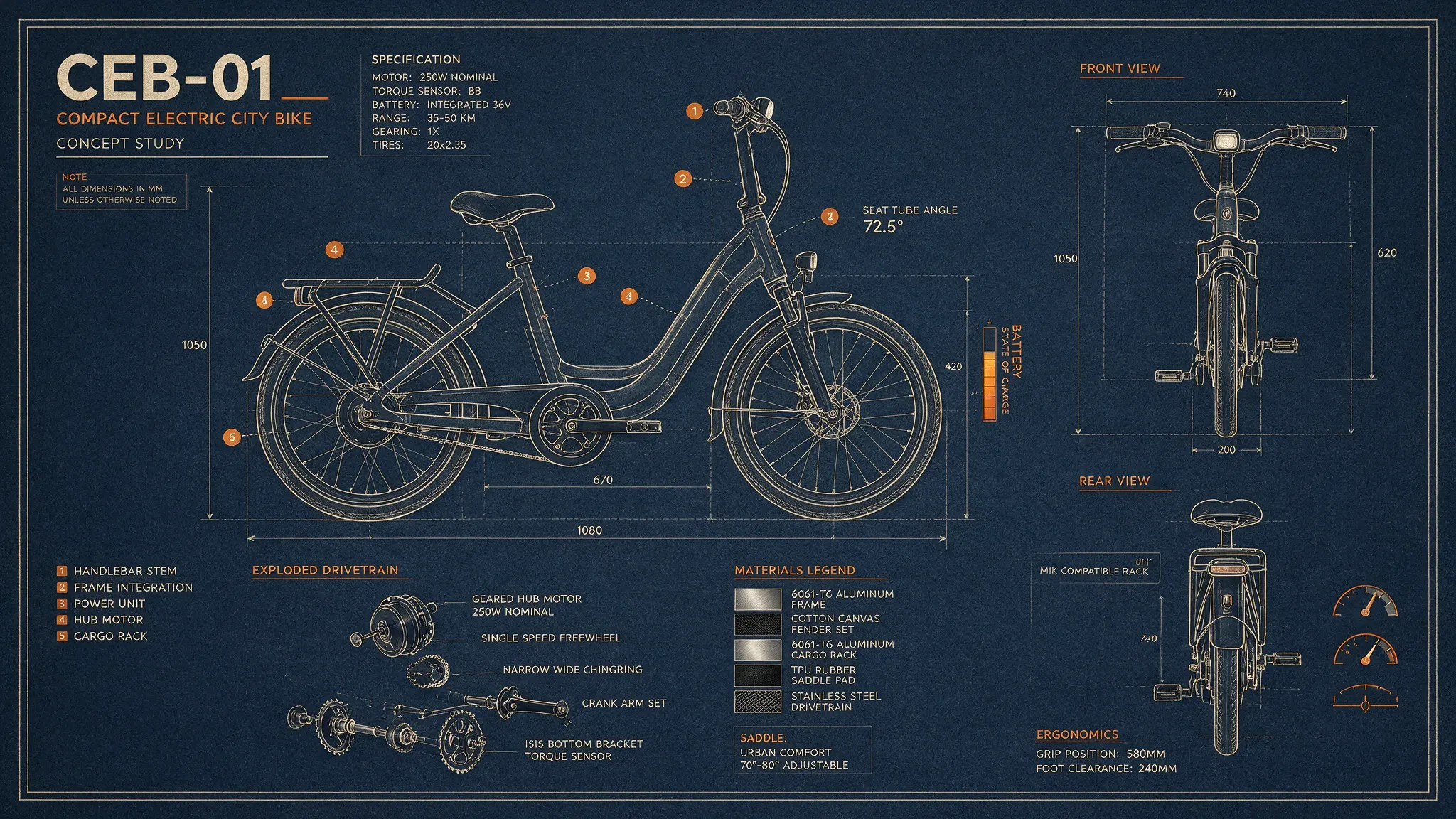
Create a 4:3 editorial infographic titled “HOW A CAMERA SEES LIGHT.” Use a clean dark graphite grid with four numbered sections: APERTURE, SHUTTER, ISO, and EXPOSURE. Show one simple lens cutaway, one exposure scale, and three small comparison panels. Use cyan technical lines, warm amber highlights, short readable labels, generous spacing, and no brand logos. Treat all numbers as illustrative demo data.
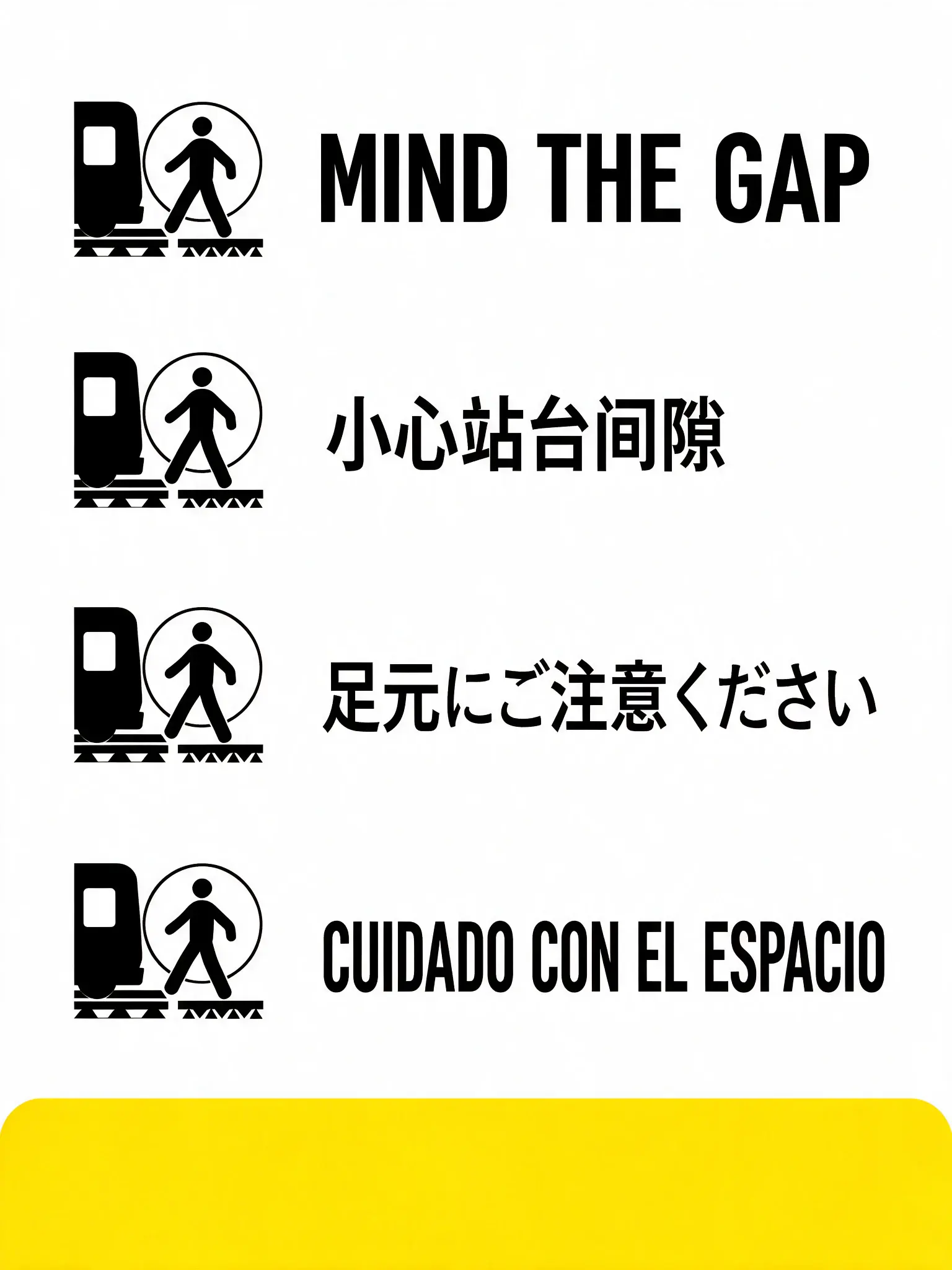
Design a vertical 3:4 public-transit safety poster with a white background, black pictograms, and a single yellow warning band. Display the same short message in four clearly separated rows: “MIND THE GAP”, “小心站台间隙”, “足元にご注意ください”, and “CUIDADO CON EL ESPACIO”. Keep the hierarchy simple, the text large, and the icons consistent. No real transit logo.
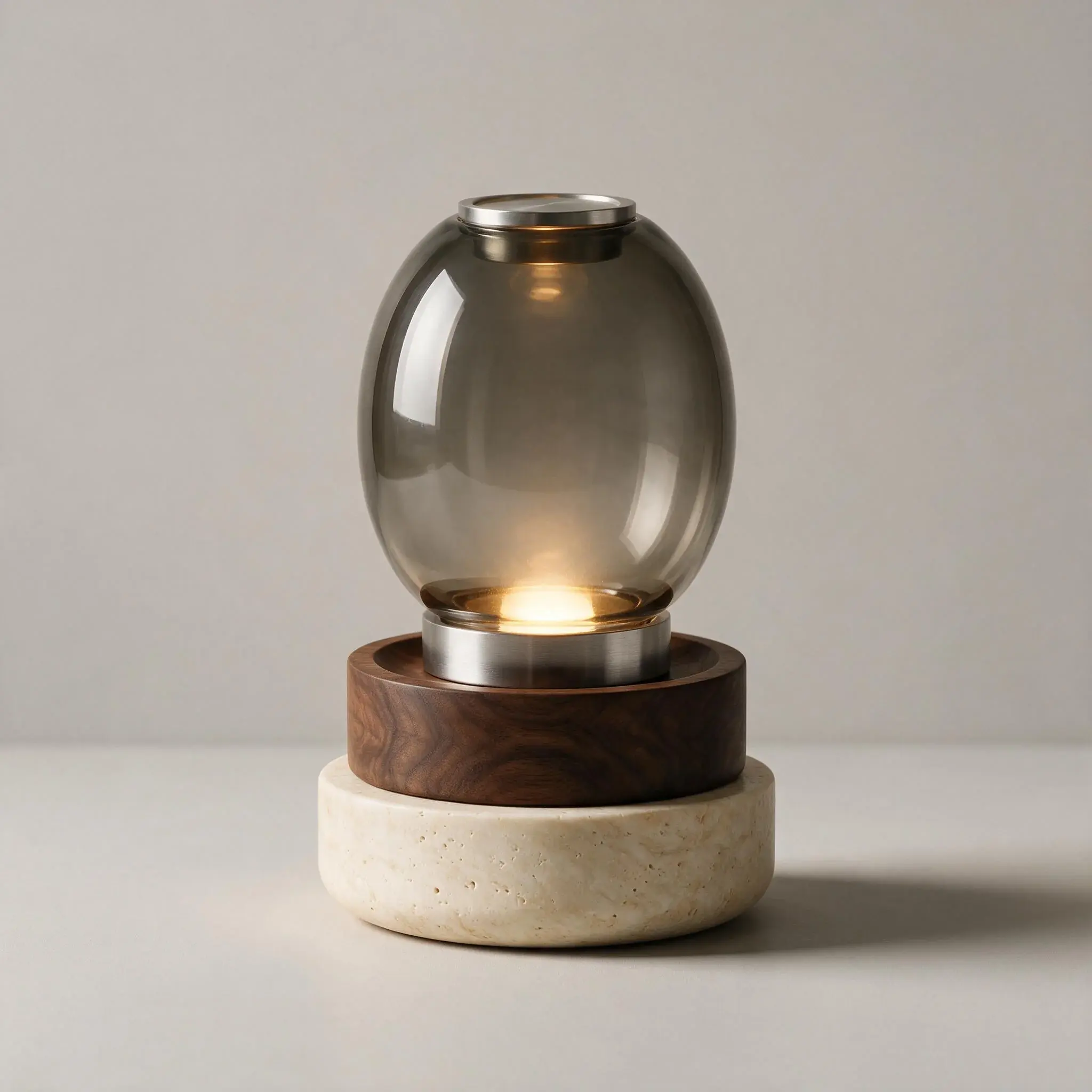
Create a square studio material study featuring one fictional tabletop lamp assembled from smoked glass, brushed steel, pale travertine, and dark walnut. Use one warm internal light source and one cool edge light. Show accurate reflection, refraction, translucency, surface grain, and contact shadows on a neutral background. No logo and no text.
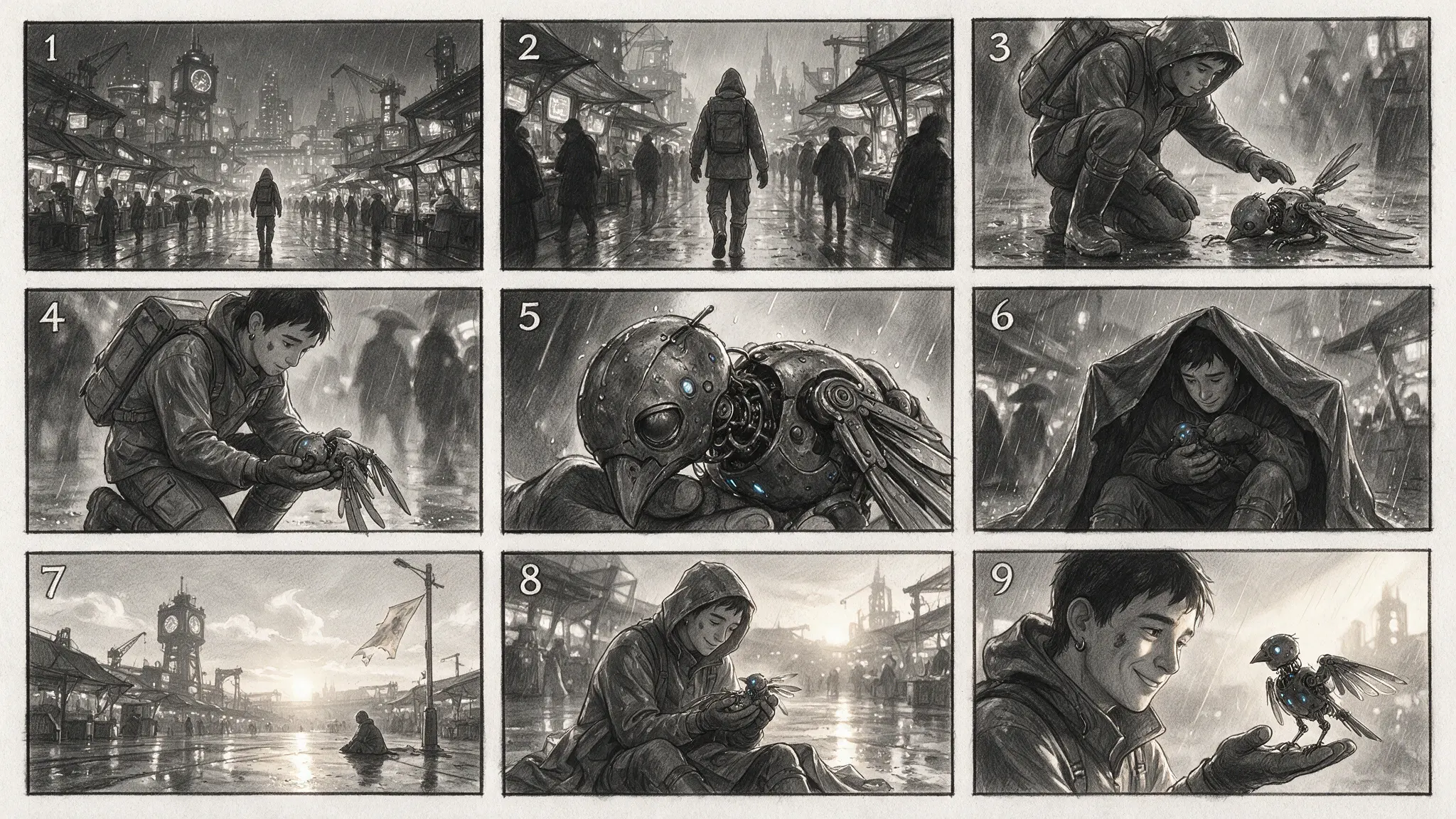
Generate a 3-by-3 cinematic storyboard with nine separate numbered panels. Story: a courier crosses a rain-soaked future market, notices a lost mechanical bird, shelters it, and watches it restart at dawn. Use graphite storyboard drawing, clear panel borders, consistent clothing, readable panel numbers 1–9, and changing shot sizes from wide to close-up. No text beyond the numbers.
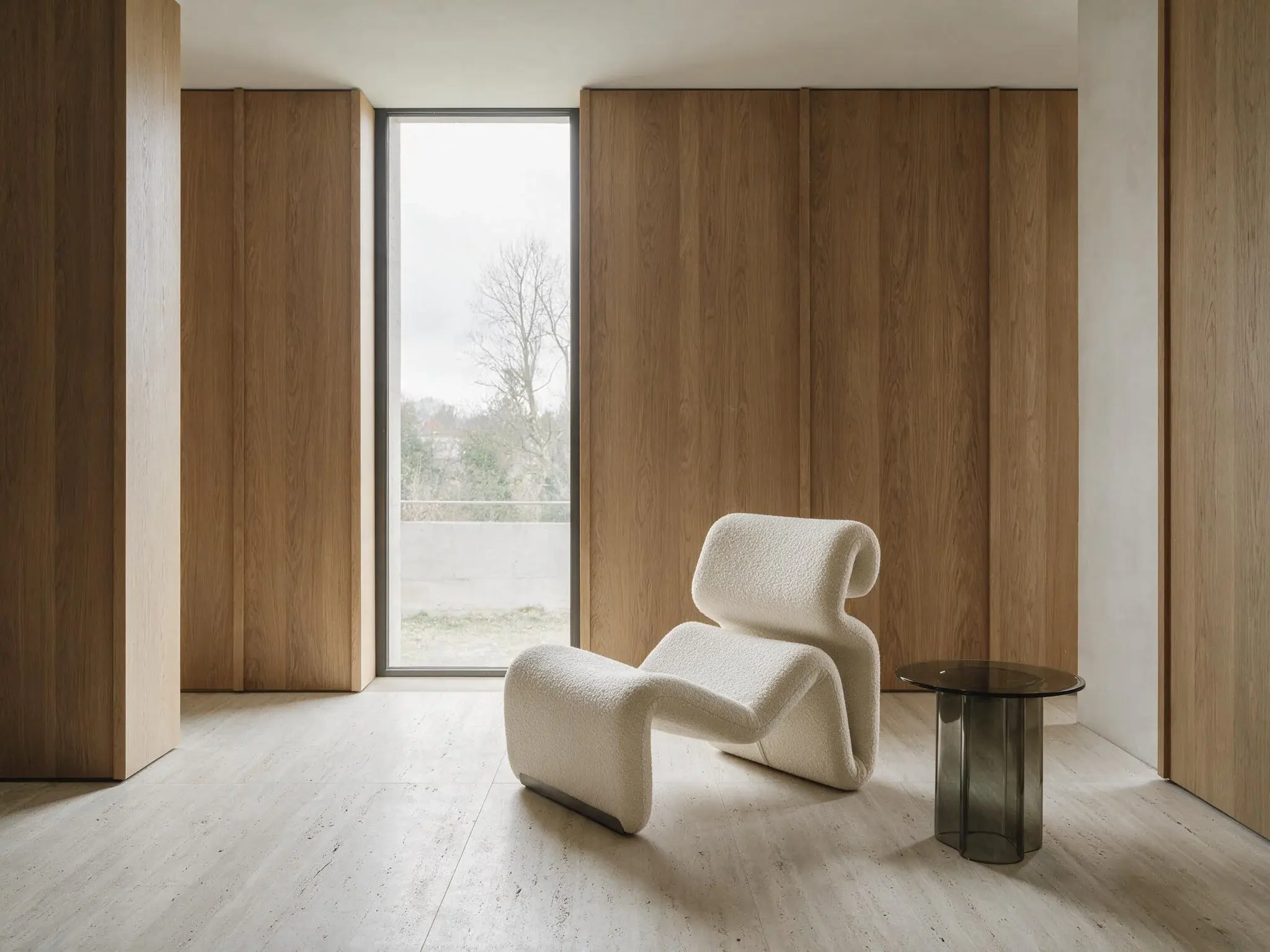
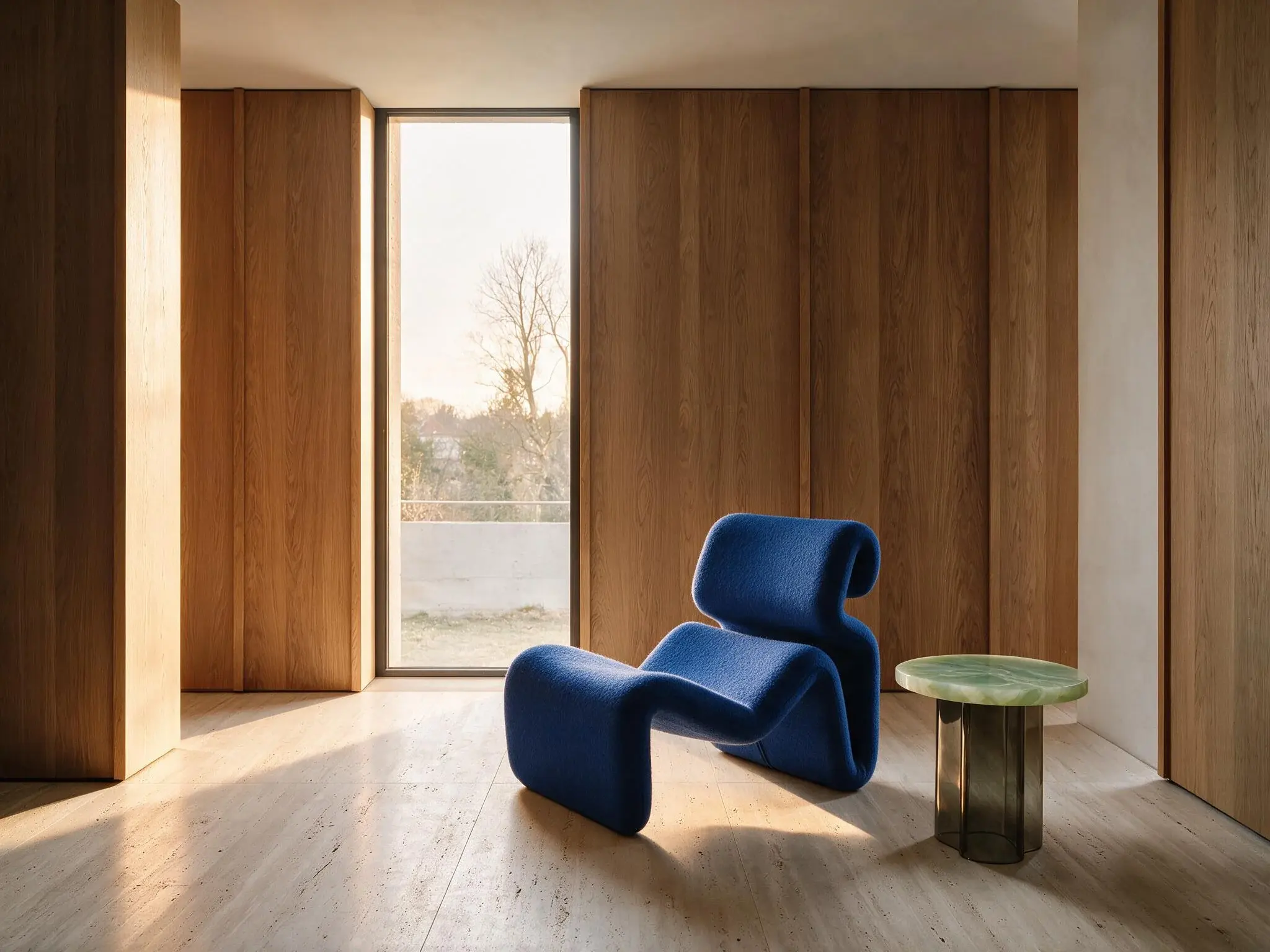
Using Image 1 as the base, preserve the camera angle, room architecture, furniture positions, window, and overall composition. Change only the lounge chair upholstery from cream bouclé to deep cobalt wool, replace the smoked-glass side-table top with pale green onyx, and shift the scene from overcast daylight to warm late-afternoon light. Keep the result photorealistic, with reflections and contact shadows updated for the new materials and light. Do not add, remove, or move any object.
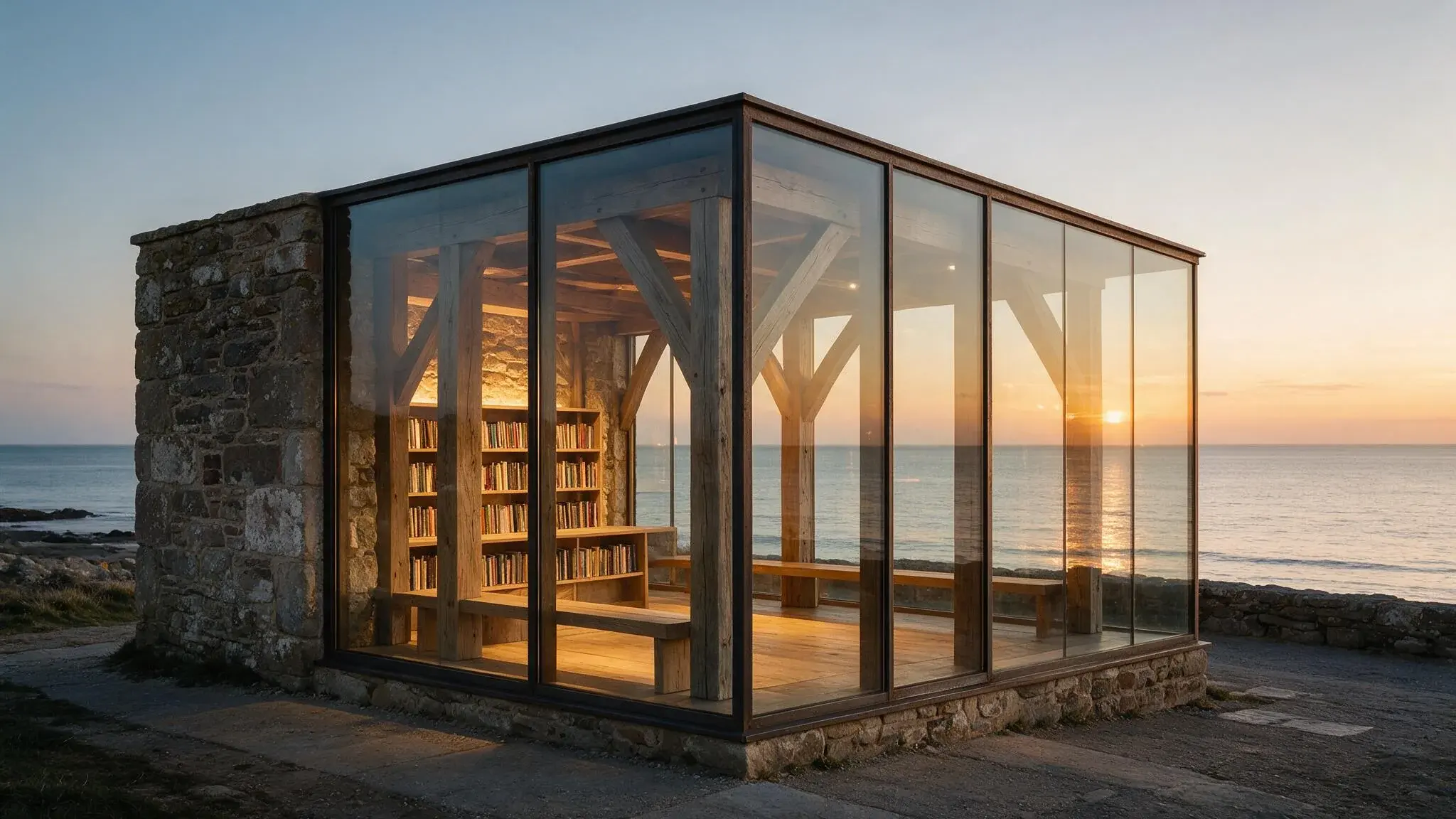
Create a 16:9 architectural photograph of a small coastal reading pavilion at sunset. Combine weathered stone, floor-to-ceiling glass, dark metal frames, and raw oak. Show believable interior light, layered reflections across the glass and sea, a calm horizon, precise perspective, and no people or signage.
画像から画像へ
Using Image 1 as the base, preserve the camera angle, room architecture, furniture positions, window, and composition. Change only the chair upholstery, side-table material, and time of day. Keep the lighting, reflections, and contact shadows physically consistent with the edited materials.